
YOUR Stress & Anxiety: Handle Physical & Mental Abuse Confidently
Recognize the impact of abuse and take constructive steps towards safety, dignity and self-worth.
Physical, emotional, verbal and sexual abuse can affect a person's sense of self-worth, safety, confidence, relationships and emotional well-being.
Abuse is never the victim's fault, and no personality trait or belief makes someone responsible for another person's abusive behaviour.
The 7 Mind Secrets Course offers an educational approach to self-awareness and everyday stress & anxiety-management skills.
However, anyone experiencing abuse may also need practical safety support and appropriate professional help.
Frequently Asked Questions (10 FAQs)
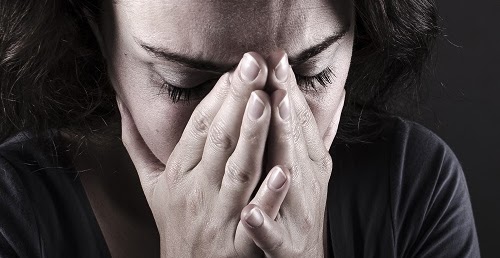
Yes, very much.
Repeated abuse and intimidation can create prolonged stress and affect how safe you feel in everyday life.
Abuse can take many forms, including physical violence, sexual assault, threats, humiliation, repeated insults, controlling behaviour, bullying and deliberately isolating someone from support.
It can occur in families, relationships, schools or workplaces.
Being related to someone, being married to someone or being in a position of authority does not make abusive behaviour acceptable.
Experiences of abuse can contribute to fear, anxiety, low self-esteem and difficulty in trusting others.
However, each person's response is different, and anxiety can have several contributing factors.
Most importantly, abuse is not your fault.
Being shy, sensitive or finding it difficult to say “No” does not justify anyone treating you badly.
If the abuse is happening now and you may be in danger, prioritize your own immediate safety.
Immediately contact a trusted person or appropriate local emergency or support services.
You do not need to confront the person or make a major decision before seeking help.
Repeated abuse during childhood can affect a child's sense of trust and safety.
A child who is frequently threatened, humiliated or unfairly punished may begin to believe things such as:
- “I am not good enough.”
- “I cannot protect myself.”
- “I must keep everyone happy.”
These beliefs can become deeply learned patterns, particularly when the child depends on the person causing the harm.
However, these beliefs are not facts about your self-worth or abilities.
Not everyone who experiences abuse develops the same difficulties, and the effects are not necessarily permanent.
They can be addressed with proper professional help.
With suitable support, safe relationships and time, many people develop healthier beliefs and rebuild confidence.
Remember: a child is not responsible for an adult's abusive behaviour, and neither is an adult who has experienced abuse responsible for what was done to them.
Your beliefs do influence how you interpret situations, communicate your needs and make decisions.
However, they do not control everything that happens to you.
For example, believing that you are unworthy may make it harder to recognize your own strengths or set boundaries.
Learning to question that belief can help you respond differently.
But it is important to understand that abuse is never caused by the victim's beliefs.
A person may be confident, assertive and highly capable and still experience abuse.
Other people's decisions, social conditions, power differences and circumstances also affect what happens.
A constructive starting point is to focus on what you can influence—your self-understanding, support network and choices—without blaming yourself for what another person has done.
A breakthrough state of mind can be understood as a growing sense that you do have choices, strengths and possibilities, even when life has been difficult.
You can begin to recognize that past mistreatment does not define your identity or future.
You can acknowledge what happened while gradually learning new ways to respond to present challenges.
This does not mean you must always feel positive or powerful.
Feeling frightened, sad or uncertain after abuse is understandable.
Progress can involve asking for support, learning to express your needs, rebuilding relationships with safe people or considering practical options for your future.
A meaningful breakthrough begins with small, realistic steps.
It does not require you to pretend that painful experiences have had no effect on you.
A breakdown state of mind is a useful informal expression for feeling overwhelmed, helpless or unable to cope with present difficulties.
After prolonged stress or abuse, a person can find it hard to trust their own judgement, make decisions or imagine that circumstances could improve.
These painful feelings do not mean you are weak or a failure.
They may reflect how difficult your circumstances have become and how much support you need.
Start today by distinguishing between what happened to you and what you believe about yourself because of it.
Someone else's abusive behaviour does not prove that you are inadequate or deserve poor treatment.
With appropriate support and practical steps, it is possible to develop greater confidence and mental stability.
If your distress is severe or persistent, seek suitable professional assessment as soon as possible.
Abuse can occur in adulthood, even when someone had a safe and supportive childhood.
Marriage-related abuse may involve physical violence, threats, humiliation, restrictions on freedom, financial control or pressure to tolerate mistreatment for the sake of family reputation.
Traditional expectations, financial dependence, social pressure, fear of judgement or limited access to support can make it harder to respond adequately.
However, these factors do not explain every case, and they do not make the victim responsible.
A woman's self-esteem or upbringing cannot be used to explain away another person's abusive choices.
The same principle applies to men and to people in any kind of family or relationship.
If you or someone you know is experiencing abuse, focus on providing safety and support rather than asking why the person did not resist sooner.
A trusted person, appropriate support service, qualified professional or legal adviser may help clarify available options and next steps.
No one should be pressured to preserve a relationship at the cost of their safety.
No, not at all.
Talking about painful experiences is not automatically self-pity.
Sharing your story with a trusted and supportive person may help you feel heard, understand your emotions and consider what support you need.
You do not have to remain silent to prove that you are strong.
At the same time, talking about abuse may not by itself change an unsafe situation.
You also need practical help, such as a safety plan, suitable accommodation, professional support or advice about your options.
Recovery does not require you to blame yourself for what happened or to stop discussing it before you are ready.
The aim is to combine emotional support with constructive action, at a pace appropriate to your circumstances.
Taking charge means gradually identifying the choices available to you and getting the support you need to make informed decisions.
It does not mean handling everything alone, confronting an abusive person immediately or forcing yourself to become assertive overnight.
Depending on your situation, a useful first step can be to speak privately with someone you trust, contact an appropriate support service or seek professional advice.
If abuse is ongoing, consider a safety plan suited to your circumstances.
If setting a boundary or confronting the person could increase the danger, do not do so without support.
If the abuse has ended, you can begin working on self-trust, boundaries and communication.
Learning to say “No” can be very useful.
The 7 Mind Secrets Course introduces educational skills for self-awareness and everyday stress & anxiety management.
These skills should complement—not replace practical safety measures and specialist support when needed.
Start with one small, manageable step rather than expecting yourself to resolve everything immediately.
If you are in immediate danger, focus first on getting to safety and contacting appropriate emergency help or a trusted person.
If you are not in immediate danger, consider the step most relevant to your circumstances:
- Seek support: Talk to a trusted person who will listen without blaming you.
- Understand your options: Explore appropriate professional, practical or legal support.
- Recognize your needs: Identify what would help you feel safer and more supported.
- Practise self-awareness: Notice your thoughts and feelings without treating them as proof that you are weak.
- Build gradually: Work towards realistic goals at a pace that feels manageable.
- Take your own time: You do not need to make every decision today.
There is no universal percentage of effort or single turning point that guarantees recovery.
What matters is moving towards greater safety, support and choice.
Progress may be gradual, and seeking help is itself a constructive step.
You can contact Dr. Sudhir Arora to learn more about the online 7 Mind Secrets Course, including its educational content, format and schedule.
The programme offers an educational approach to self-awareness and everyday stress & anxiety management.
You can ask questions about its suitability for your learning needs before deciding whether to proceed.
It is important to distinguish educational guidance from specialist help.
The course is not a substitute for abuse-related safety support, trauma-focused therapy, medical assessment or legal advice when these are needed.
If you are currently experiencing abuse, please prioritize your safety and seek appropriate support rather than relying on a course alone.